MEDIA & PRESS
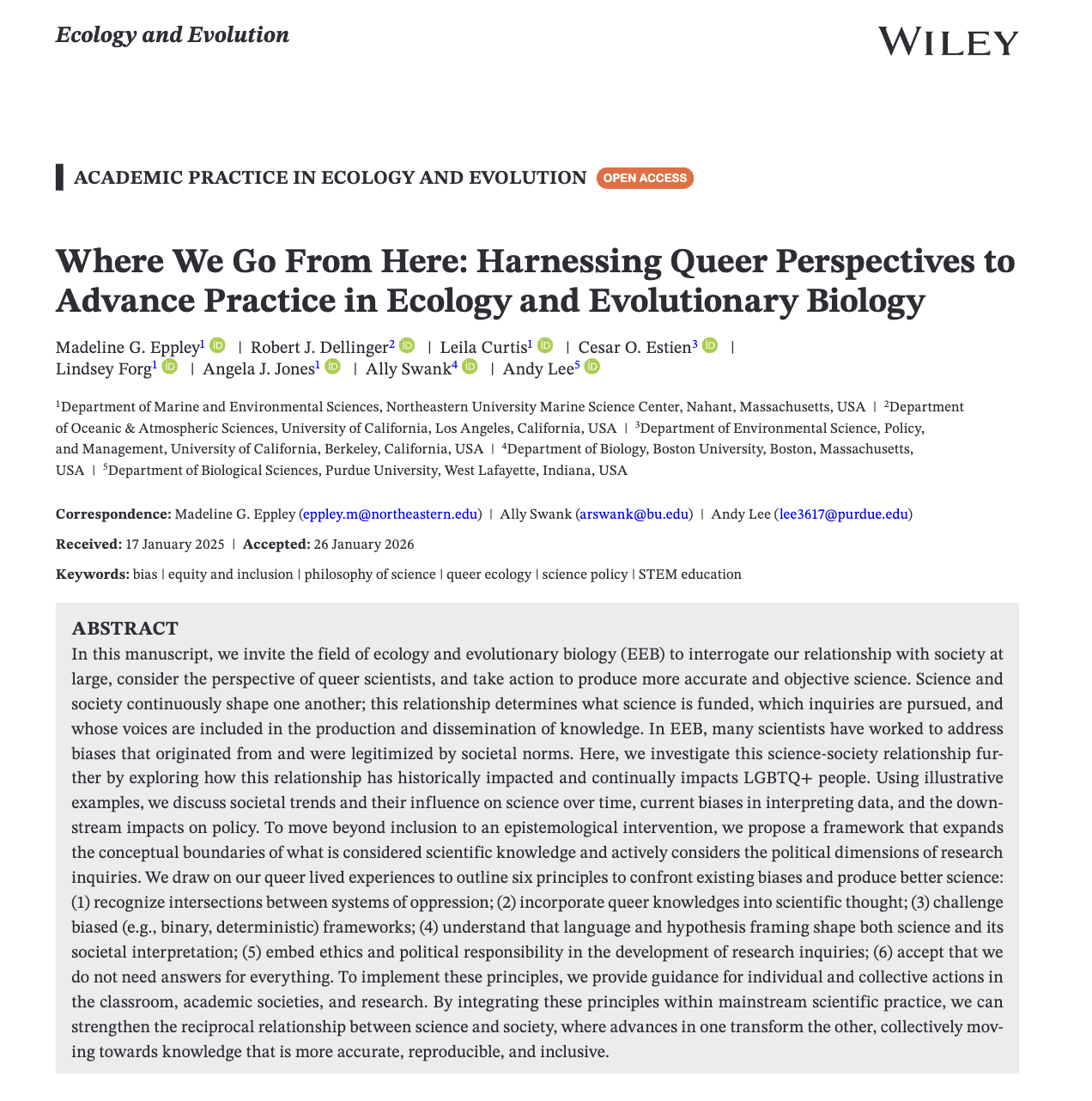
New Publication: “Harnessing Queer Perspectives to Advance Practice in Ecology and Evolutionary Biology”
New publication in Ecology and Evolution, inviting ecology and evolutionary biology to critically examine its relationship to society, engage queer perspectives as sources of scientific insight, and take action toward producing more accurate and objective science. Moving beyond inclusion alone, we propose an epistemological intervention that expands what counts as scientific knowledge and explicitly attends to the political dimensions of research.
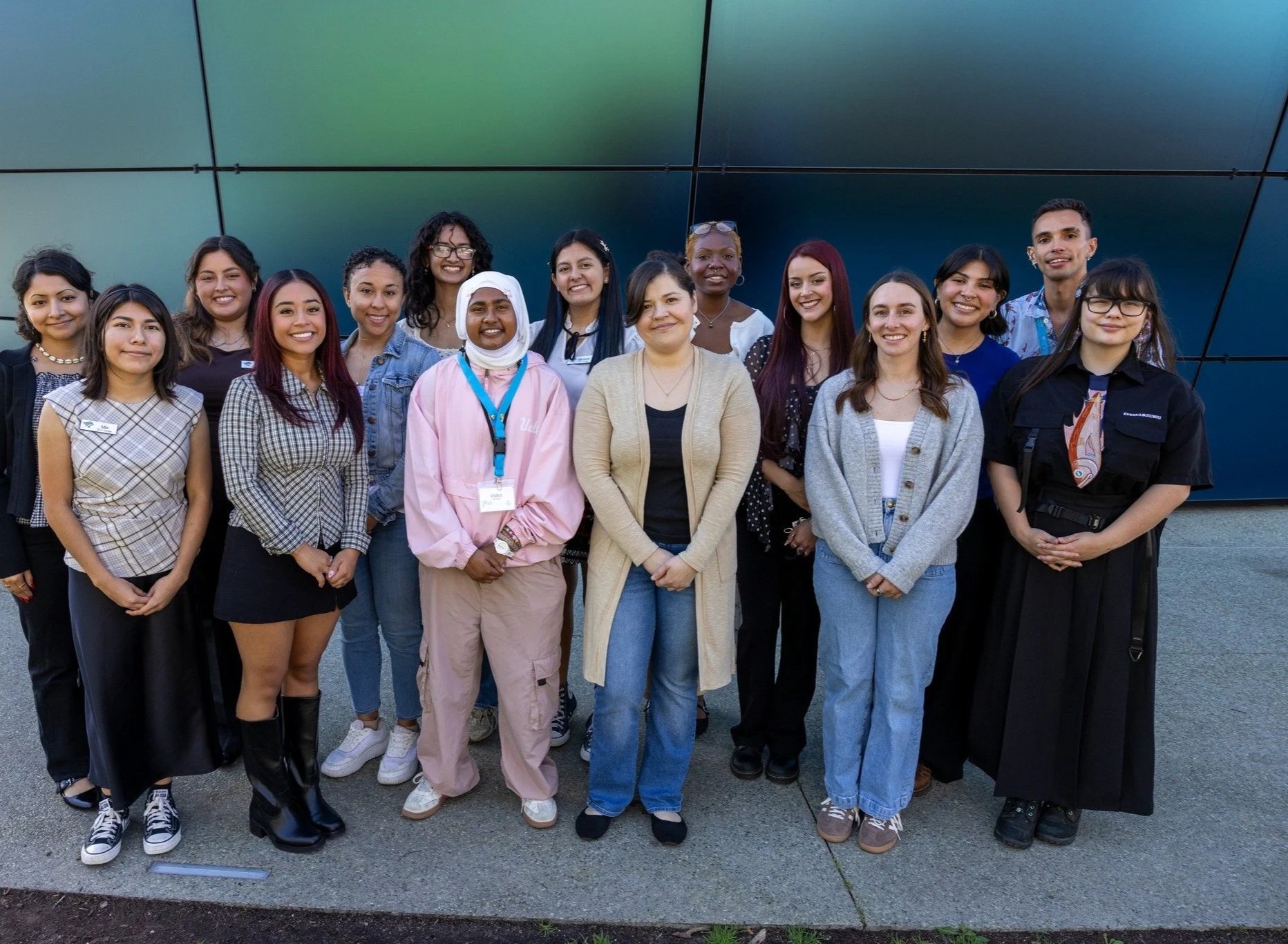
Award Announcement: Aquarium of the Pacific Announces 2026 CELP Scholars
Aquarium of the Pacific announced the 2026 recipients of its Community, Equity, Learning, and Persistence (CELP) Scholar Program, which supports students in ocean-related fields across Southern California. I am honored to join this year’s cohort, a community of scholars whose academic work and lived experiences are helping broaden participation in marine science and strengthen the future of the field through commitments to equity, stewardship, and ocean research.
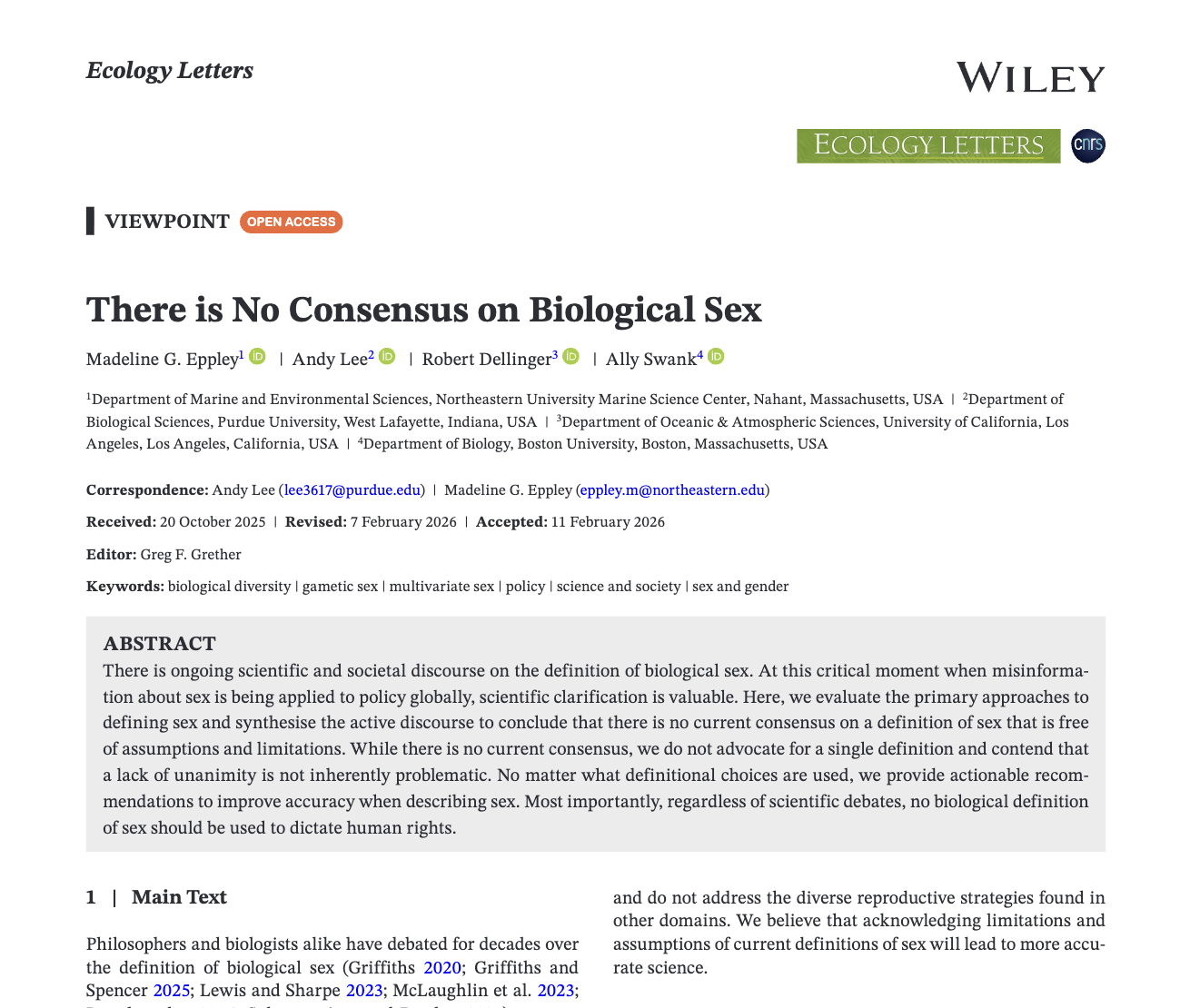
New Publication: “There Is No Consensus on Biological Sex”
New publication in Ecology Letters, “There Is No Consensus on Biological Sex.” This paper examines how sex is defined across biological research and argues that there is no universal consensus on a single definition sufficient across all taxa and contexts. By calling for greater precision in how biological terms are defined and used, the paper invites deeper reflection on the relationship between scientific classification and social implications.
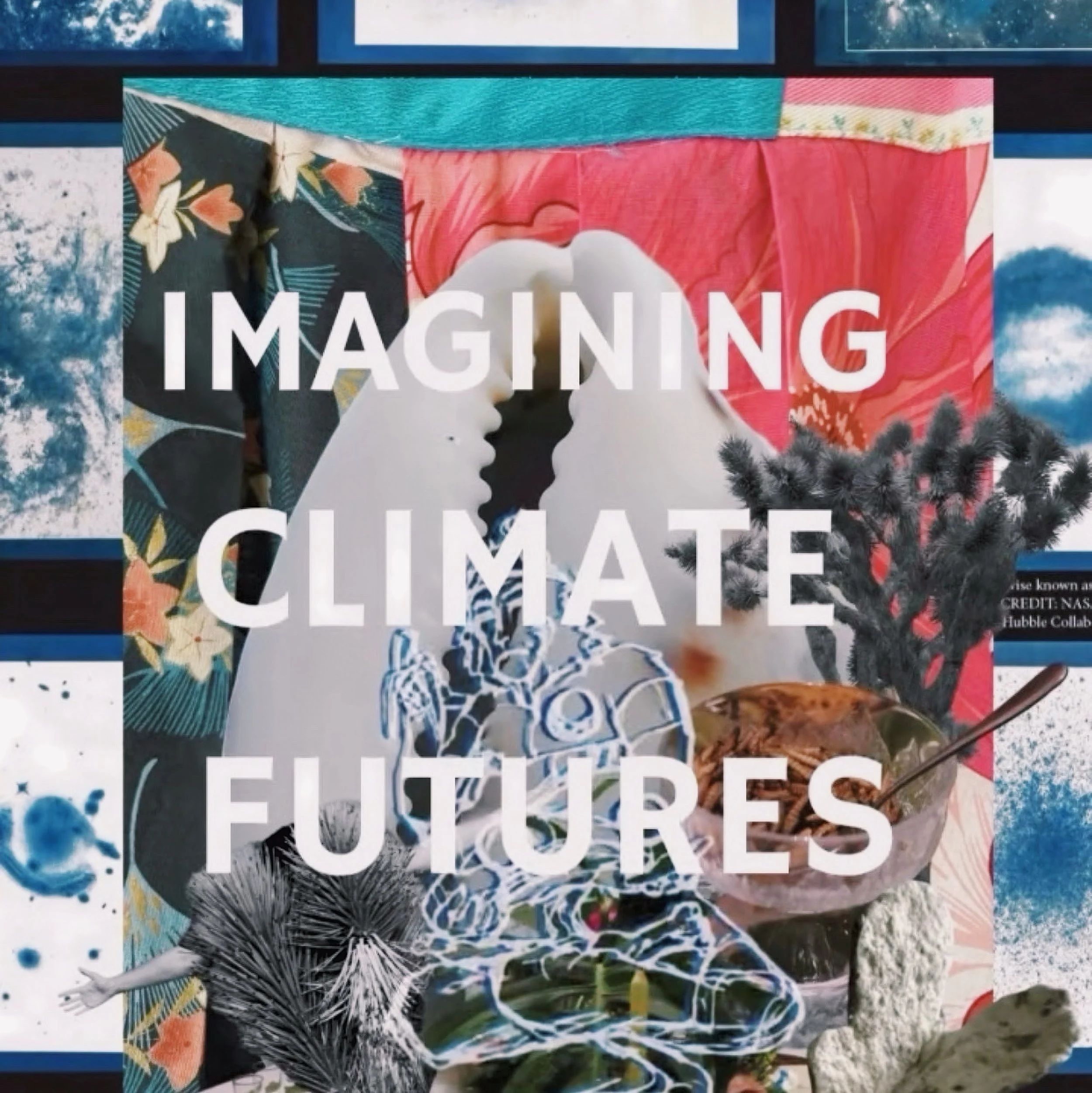
Exhibition: “Imagining Climate Futures, Anthology II” Gallery Opening, Climate Futures Studio & NYC Climate Week
Curated and announced “Imagining Climate Futures,” a multidisciplinary exhibition presented as an official Climate Week NYC event at Queens Council on the Arts. The show featured 18 original works by the 2025 Climate Storytelling 2075 cohort, spanning media from video and sound to textiles and data driven visuals, each offering bold, justice rooted visions of 2075 grounded in optimism.
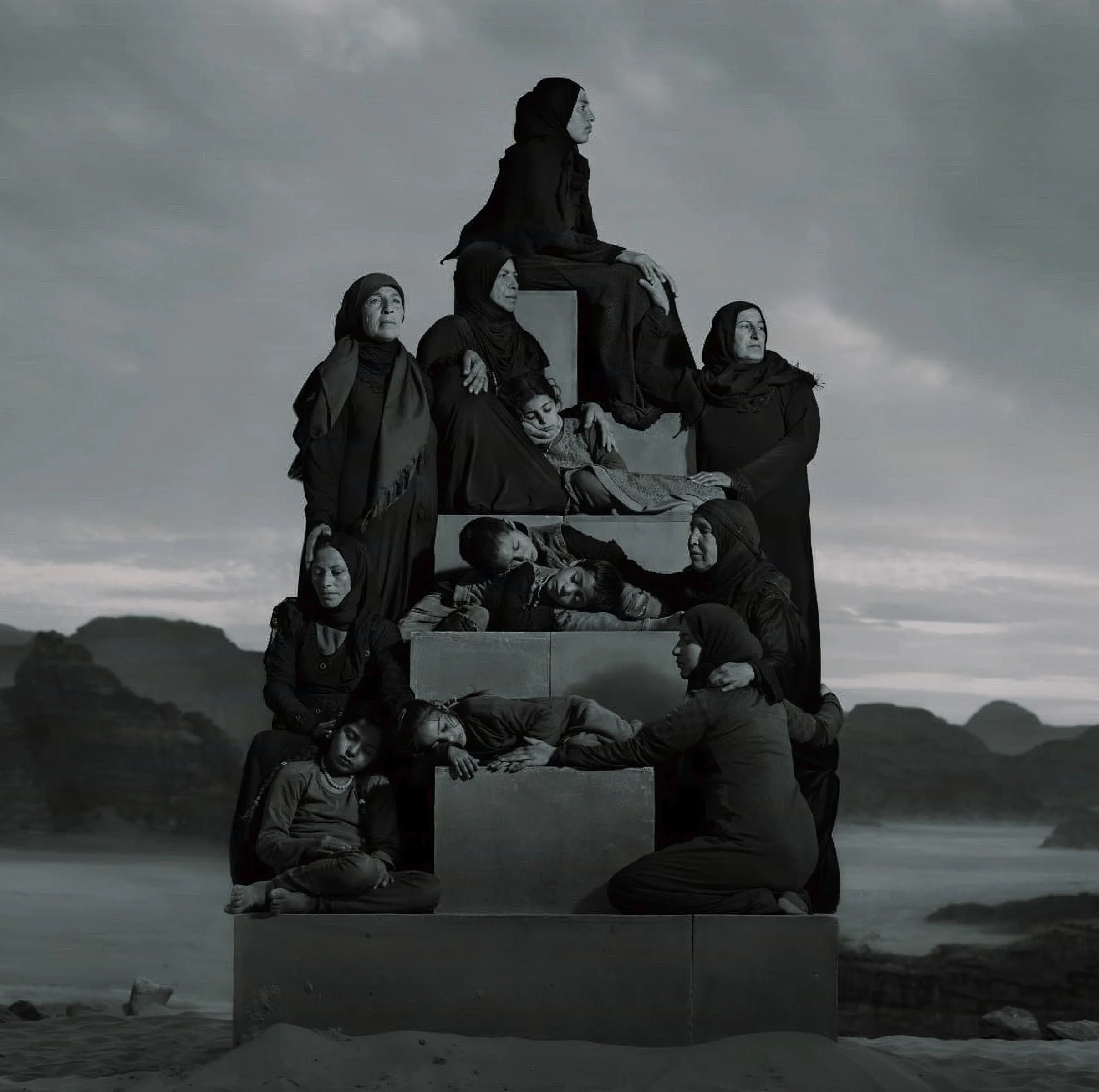
Panel: “Strike the Heart: The Role of Artivism in Climate Advocacy”
Moderated a public conversation with human rights activist and environmental justice leader Kumi Naidoo, former Secretary General of Amnesty International, and climate justice journalist Yessenia Funes, editor at large of Atmos, on climate communication strategies that bypass the brain to strike the heart. Together, we explored the role of art and activism in the climate justice movement as a way to shift public imagination by making the abstract personal, transforming despair into courage, and helping movements sustain pressure against extractive systems.
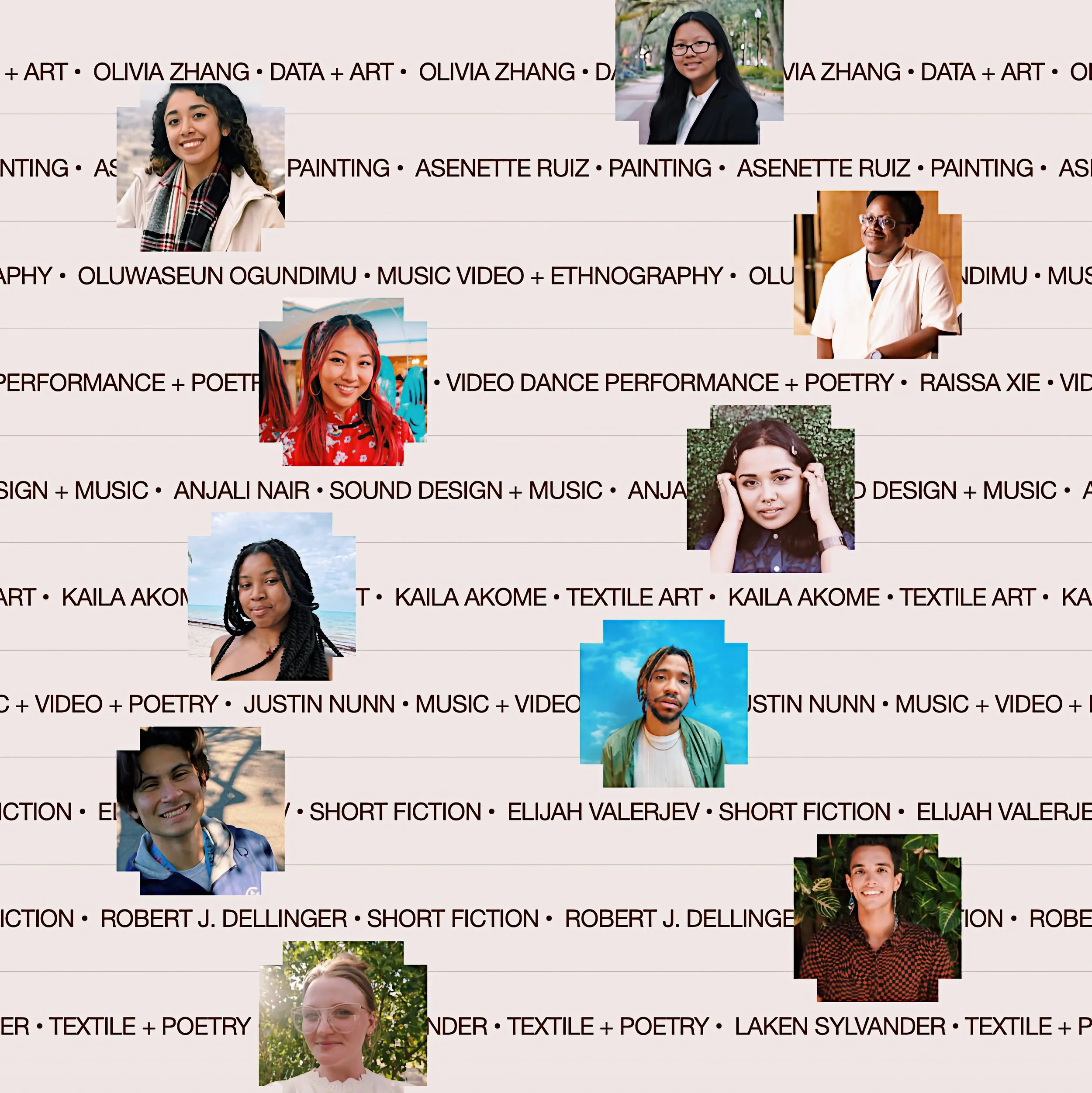
Exhibition: "Imagining Climate Futures, Anthology I" Gallery Opening, Climate Futures Studio
Exhibition curator for the inaugural “Imagining Climate Futures,” presented at Queens Council on the Arts. The exhibition brought the first Climate Storytelling 2075 anthology into a shared public space, inviting audiences into climate futures shaped by the guiding question: “What if we get it right?”
Report: “Strategies for Diversity, Equity, & Inclusion in Ocean Sciences”
Roundtable participant in the California Ocean Science Trust’s final proceedings report convening leaders across California’s coastal and ocean science community. The report summarizes three “braided strategies” which include (I) sustained investment for system change, (II) supporting accountable and equitable ocean science, and (III) fostering community and connection; to read the full report: [PDF].

Interview: “What Non-Monogamy Can Teach Us About Climate Advocacy,” Currently HQ
Interview exploring how relationship ethics, care, and accountability offer lessons for sustaining climate advocacy and practicing collective responsibility, treating climate work as relational work.
Feature: NOAA Fisheries Celebrates Research Intern Robert J. Dellinger for National Hispanic Heritage Month
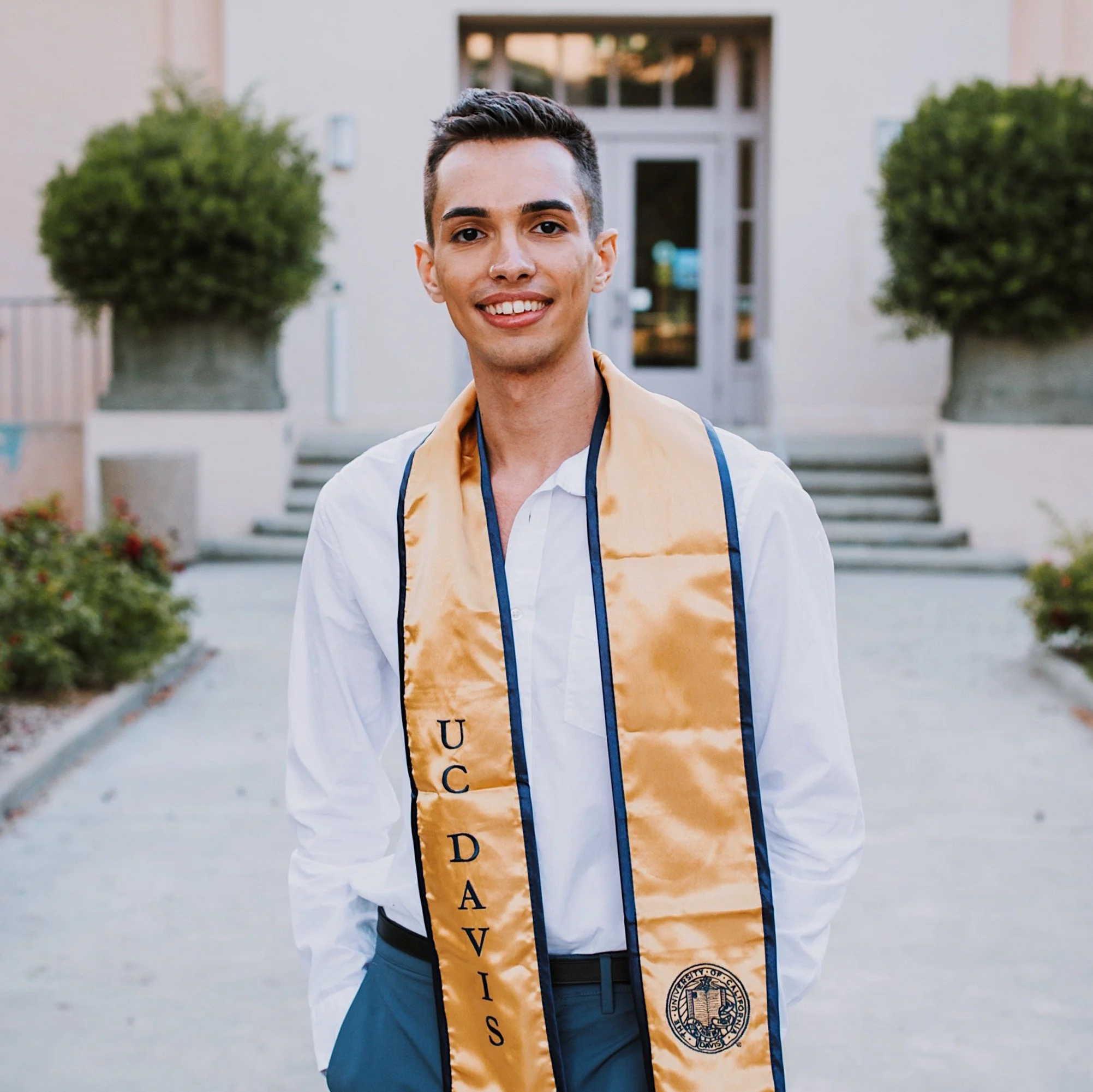
National Oceanic and Atmospheric Administration profile highlighting Robert J. Dellinger’s research internship experience and reflections on identity as a Latinx marine scientist during National Hispanic Heritage Month.
Feature: Marine and Coastal Science Class of 2021, UC Davis Commencement
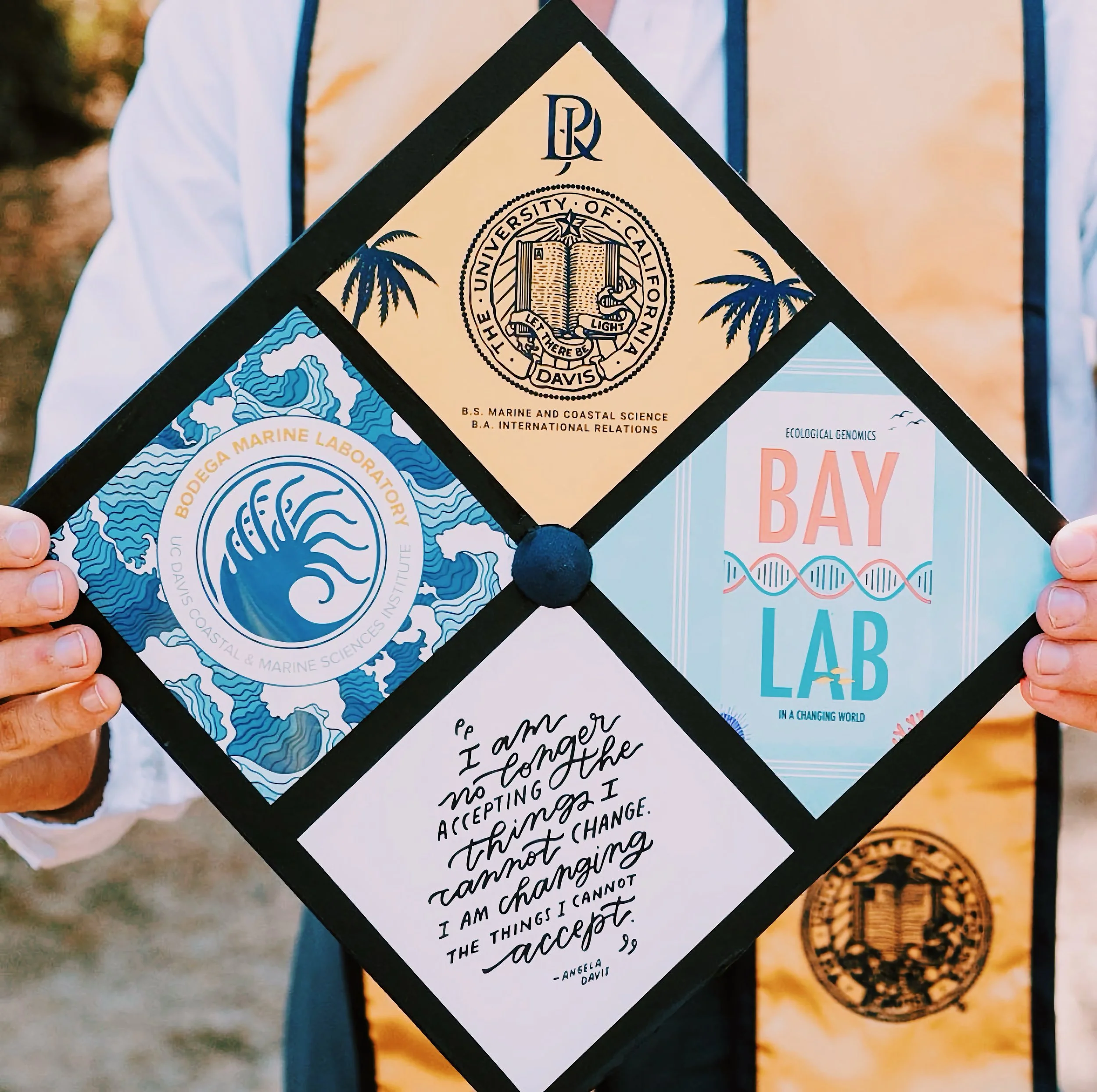
Featured graduate spotlight from the UC Davis Coastal and Marine Sciences Institute highlighting my path into marine and coastal science . The profile also notes my MCS Senior Award, Department Citation, recognizing my academic and departmental contributions alongside interdisciplinary training.
Blog Post: Guest Post “Overturning Circulation” on the Kitchen Oceanography Blog
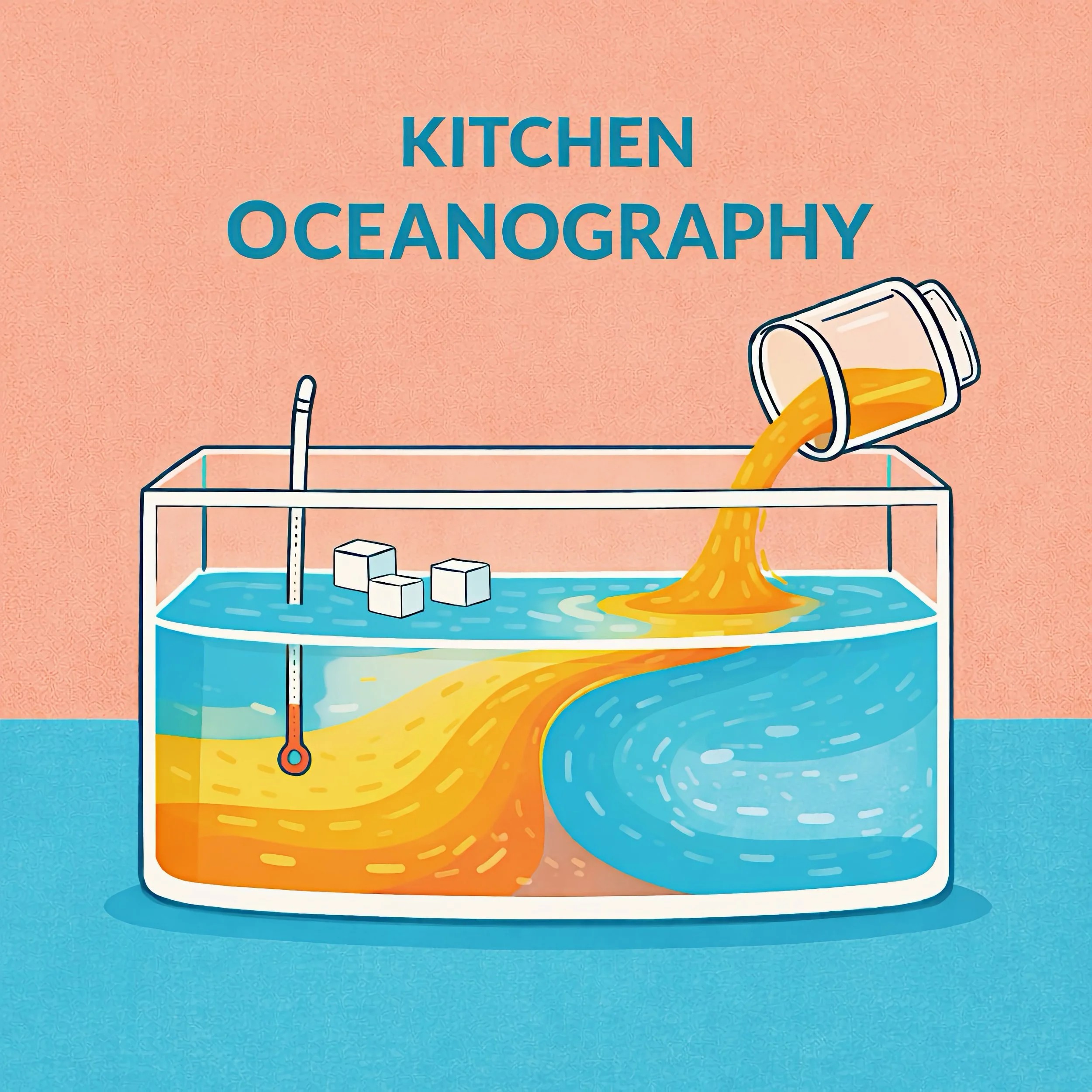
Guest post on Dr. Mirjam Glessmer’s Kitchen Oceanography blog featuring an experiment that uses everyday kitchen materials to explain overturning circulation and make the physical processes that drive ocean circulation easier to understand and more accessible.
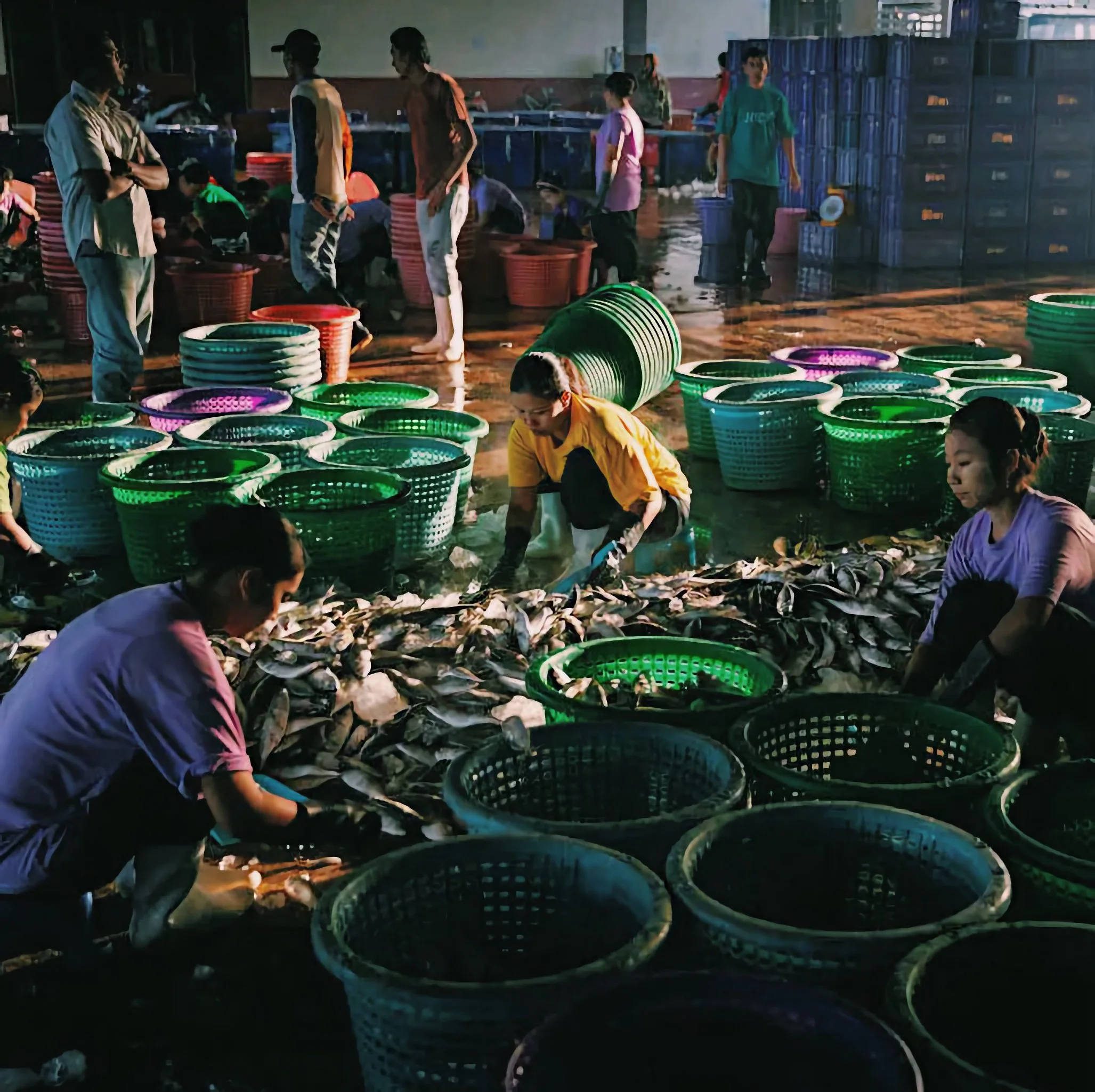
Article: "Slavery in Thailand’s Fishing Industry," Davis Political Review
An international political analysis published in Davis Political Review exposing forced labor and human trafficking within Thailand’s fishing industry, where migrant workers are trapped in exploitative conditions to sustain global seafood supply chains. The article traces how economic pressures and weak regulation drive human rights abuses and connects these labor injustices to the broader political and economic systems that enable extractive exploitation.
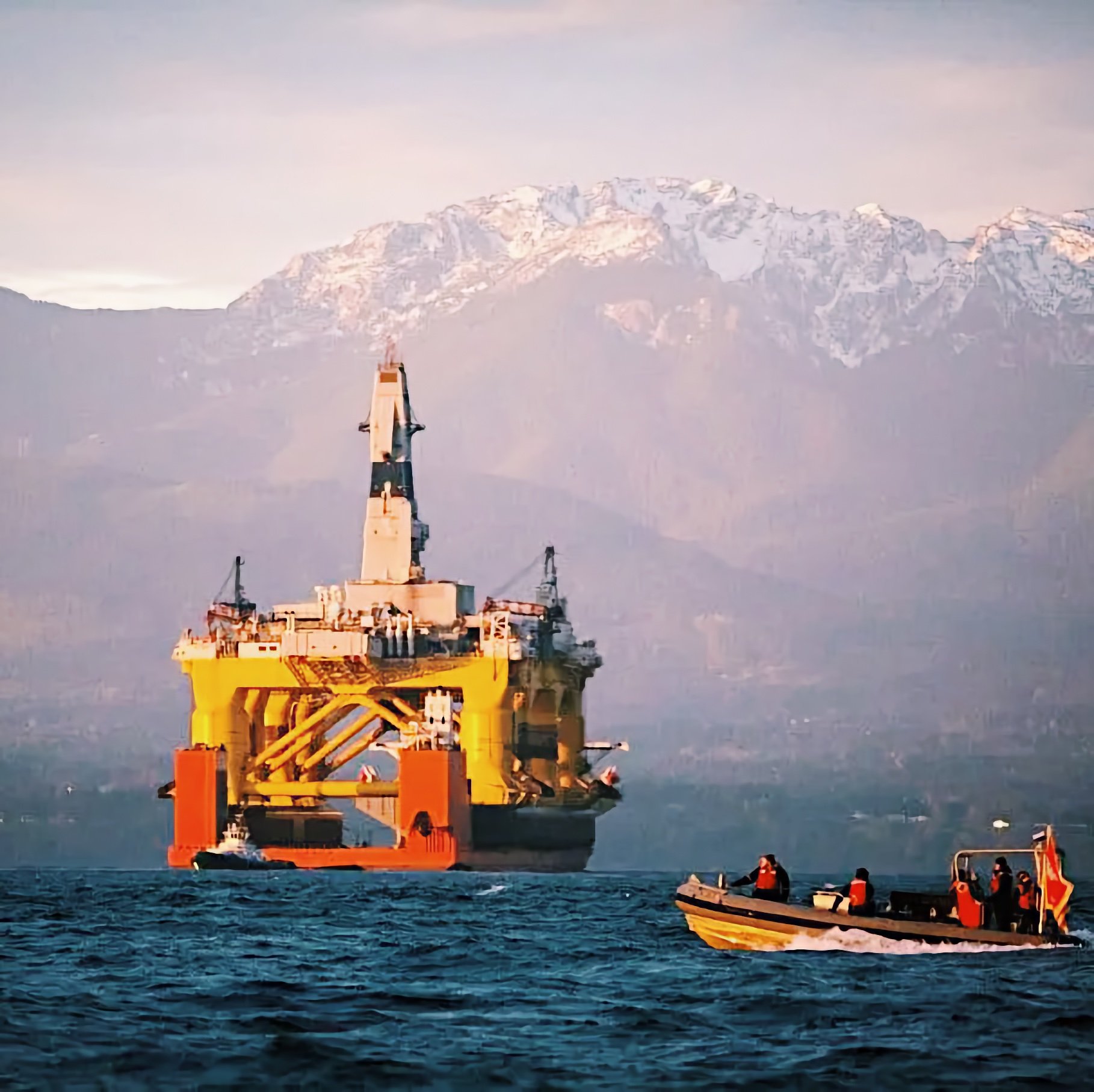
Article: "Our Crude Awakening," Davis Political Review
Policy analysis published in Davis Political Review reviewing the 2018 offshore drilling expansion plan, arguing that reversing post-Deepwater Horizon safeguards would amplify environmental risk.